They say the only things certain in life are death and taxes. What they never said was that one day the vast majority of UK workers would end up paying higher rate 40% income tax on their earnings, a levy almost unimaginable a few years ago.
Warnings about the inexorable shift of most workers into the 40% tax band over the coming decades come in a new report from the Office for Budget Responsibility this week called Fiscal Risks and Sustainability - July 2026. It paints a grim picture of the future of income tax.
We already know more and more people are paying 40% income tax, what we have always called higher rate income tax. To most people it’s the tax that the better paid and well off pay have always paid on their earnings.
Today you would need to earn £50,000 a year or more to be caught by 40% tax and that’s still well above the average wage of about £40,000 a year.
Even so, 7m people are now caught by higher rate tax and the OBR says even more people will be affected by it over the next 50 years if things do not change. In fact many millions more.
OBR says that assuming the National Living Wage, in reality the minimum wage for most people, remains constant as a share of the median wage, a full-time National Living Wage earner would be subject to the higher rate of income tax (40%) from the late 2060s. Even more concerning, two in three of all taxpayers will pay 40% tax on their incomes.
I’ve often asked people how much tax they think they pay. Most people omit National Insurance, Insurance Premium Tax, VAT and all the many other taxes they actually pay. I would guess only a tiny minority of people have any real sense of how much tax they pay in reality. Financial Planners are, of course, good at working this out and coming up with some robust tax mitigation policies and their work is assured.
There is, of course, a responsibility on all of us to pay taxes for the services and support we receive from government and I have no time for tax dodgers. However, there is a balance and I fear we are heading in the wrong direction. The freeze on income tax thresholds until 2030 is just one example. It's catching more and more people in the higher rate net.
It’s worth remembering that the current 40% rate was introduced by Mrs Thatcher’s Chancellor Nigel Lawson in his 1988 Budget, as the Conservatives swept away a plethora of higher income tax rates of 60% and 83%. Nigel Lawson simplified the income rates to 25% and 40%. His intention was that only the highly paid would pay the top rate, it was never designed to be a rate that the average earner paid.
Behind all this is a serious debate we need to have as a nation about tax. There is no doubt higher rate taxes deter some from working harder and may well deter entrepreneurship. That’s not something we want to foster, I suspect, as a long term policy.
Mr Burnham and his new Chancellor will need to set out, at the earliest opportunity, what their new tax strategy will be before millions face an impoverished future as the government takes more and more of their earnings.
• Many thanks all of you who took part in our Reader Survey. We will be publishing the results in Financial Planning Today magazine very soon and you can subscribe now to the magazine to make sure you receive every issue.
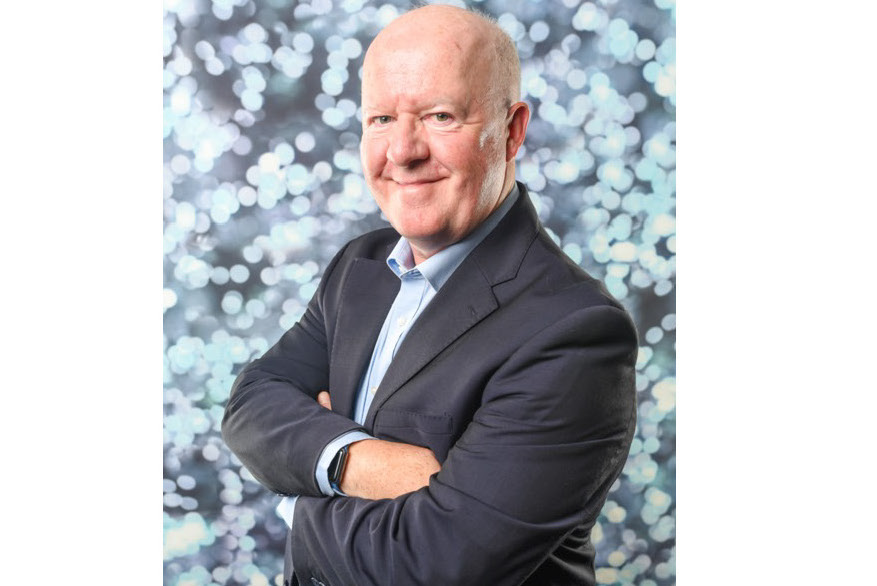
Kevin O’Donnell is editor of Financial Planning Today and a journalist with 40 years of experience in finance, business and daily news. This topical comment appears most weeks, usually on Fridays but occasionally other days. Email: