
The Financial Services Compensation Scheme (FSCS) is planning to make consumers more aware of the £85,000 limit on investment claim compensation which has not increased since 2019.
The FCA, which is responsible for setting the investment compensation limited, told Financial Planning Today that there are no current plans to raise the limit which should now be £112,000 - 32% higher - if it was raised in line with inflation.
With many complex investment claims above £85,000, the FSCS aims to warn consumers of the limits of its compensation awards, especially after the compensation limit on cash deposits was recently raised to £120,000.
Despite the investment compensation limit remaining the same for seven years, there has been a rapid rise in investors with larger sums invested seeking compensation, many investing in ISAs, SIPPs and other retirement and investment products with companies that have failed.
FCA analysis of FSCS claims in 2021 found that just over 30% of pension claims, for example, exceeded the investment compensation limit.
In the investment sector, there were fewer claims above the investment limit (just over 6%) but in recent times the number of ISA millionaires has risen strongly and is set to have trebled over the last three years, according to analysis of recent HMRC data.
At the start of the 2023/24 tax year, 5,070 people had ISA portfolios worth £1m or more and a further 48,160 individuals had ISA holdings between £500,000 and £750,000. If any of these investors suffered provider failure, compensation from the FSCS would be limited to £85,000 although the FSCS does pursue further compensation from failed providers where it has a reasonable hope of clawing back money for investors.
The FCA told Financial Planning Today that while it had no plans to change investment limit it kept the ceiling under regular review.
In a statement it said: “Compensation limits are set separately for different types of claims and sectors. Deposit protection falls within the PRA's remit, while the FCA is responsible for compensation limits relating to investment business and other claims. As a result, the limits are reviewed separately and do not automatically move in line with one another.
“The compensation limits we set must provide adequate consumer protection while providing stability to levy-paying firms. We believe the existing limits set by the FCA continue to provide an appropriate level of consumer protection and we do not plan to increase them at this time. We will, however, continue to keep compensation limits under review to ensure they provide adequate levels of consumer protection.”
The FCA added: “More broadly, our focus remains on reducing consumer harm and ensuring firms meet the costs of liabilities they incur, rather than those costs falling on the FSCS. We are making sure investment firms set aside capital to cover potential liabilities and have strengthened our rules around financial promotions. We also continue to work with the Financial Ombudsman Service to modernise the redress system, so it better serves consumers and provides greater stability for firms.”
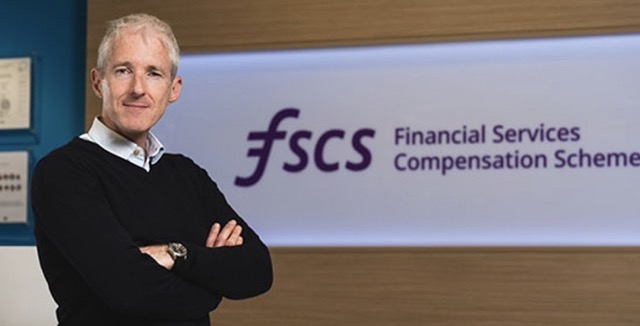
FSCS CEO Martyn Beauchamp told Financial Planning Today, after the organisation recently launched its new five year strategy, that making more people aware of the compensation limits was necessary to provide consumers with a realistic idea of compensation coverage when they save and invest.
He said that the FSCS would be engaging with providers and other key players this year to make sure consumers knew the FSCS limits and how they applied. This could include investment providers and advisers being encouraged to explain more about the FSCS, including how it works and its limits on compensation.
He said awareness of the limits was one way to build confidence in the retail finance system.
He said: “One of the things that we bring is confidence and in order for us to bring that confidence, of course, we need a certain level of awareness. We believe there's opportunity to collaborate with the trade and trade partners as well because 76% of consumers tell us that when FSCS protection is involved, they are more likely to invest. They're more likely to save for those who are savers.”
“There is a dividend in building confidence in financial services, it can be described as the ‘confidence dividend’. It is a very important thing but it must be with awareness of what exactly the dividend is. There must be a better understanding, I think, among consumers of what the limits of protection are.”
“One of our priorities is to raise awareness of the current limits. It’s not our job to set the limits (that’s the regulators' role) but we have to work within the limits. We have started to have ad hoc conversations with industry about how can we collectively raise those levels of awareness.”
The FSCS also announced plans recently to change the way it handles advice-linked claims in order to improve speed, flexibility and decision quality. The industry-funded consumer safety-net said that it was, “enhancing the way we handle advice claims so we respond efficiently as demand changes, delivering fast, fair and consistent decisions for customers.