
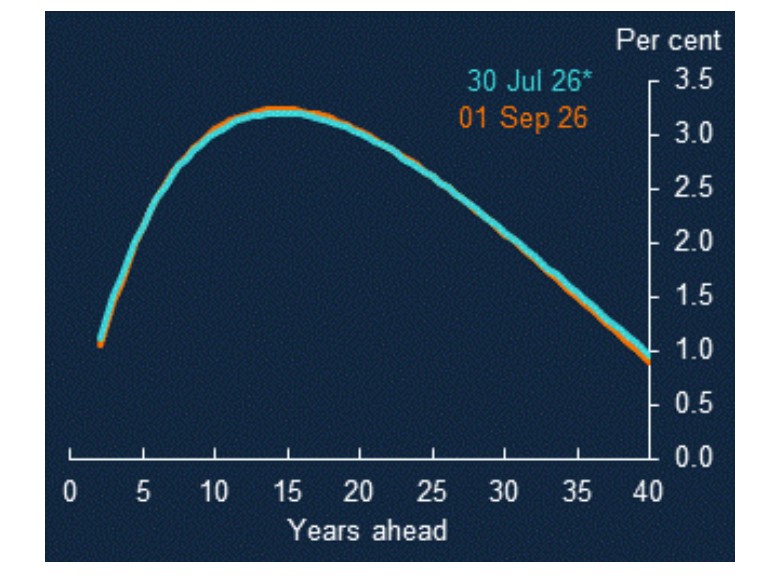
Multi-decade high gilt yields, boosted by the ongoing US-Iran conflict and fears over inflation, have pushed some annuity rates to multi-year highs.
For UK gilts, the 10-year yield rose above 5.26% to its highest levels since June 2008 this week, while the 30-year gilt yield surged to 28-year highs above 5.90%.
Annuity rates are usually closely linked to 15-year gilt yields and at around 5.62% these are also at multi-year highs, according to analysis by wealth manager Evelyn Partners.
The research found that a healthy 65-year-old buying a single-life level annuity with a five-year guarantee can currently secure just over £8,000 of income with £100,000 in pension savings, compared with well below £5,000 during the market lows seen a decade ago.
Evelyn Partners found that the guaranteed annual income that someone can secure with an annuity, with all or part of their pension pot, is now higher than it has been at any point since Pension Freedoms arrived in 2015.
Interest in annuities has also been boosted by the upcoming inclusion of unused pensions within the inheritance tax net from April 2027. Some savers are looking to avoid the addition of IHT by using the income generated by an annuity to fund a whole of life assurance policy written in trust.
Andrew King, pension technical specialist at Evelyn Partners, said: “We are seeing a clear uptick in interest among clients in annuities, primarily due to the significant rise in incomes, but some also have an eye on the forthcoming inclusion of unspent pension assets in inheritance tax liabilities.
"This rule change arriving in April 2027 is encouraging some to think about using at least a part of their pension pot to buy an annuity rather than keep a big drawdown fund into old age - especially those with large pots or wider IHT liabilities.
“One other driver is that many savers are sitting on drawdown pots that have grown very substantially due to the bullish stock markets of recent years and might be looking to seal in some of those gains and convert them into a guaranteed income.
“Annuity rates could go higher from here if bond yields remain close to or above their current levels as insurers continue to reprice annuity products. It certainly seems unlikely the incomes on offer will fall in the coming weeks and months, so there is plenty of opportunity for savers on the verge of or in retirement to consider these products.”
Gilts are bonds issued by the UK government to borrow money from investors. Gilt yields tend to widen in response to geopolitical conflict, rising interest rates and inflation, in response to falling demand. Rising yields often signal expectations of higher inflation or increased government borrowing, while falling yields reflect more stable economic outlooks. Gilt yields also directly influence mortgage rates, corporate loans, and general consumer borrowing costs.
• Editor's Note: the original version of this story has been edited to make clear that many annuity rates are at the highest level since 2015 (rather than for 28 years) as earlier reported). We apologise for any ambiguity.