
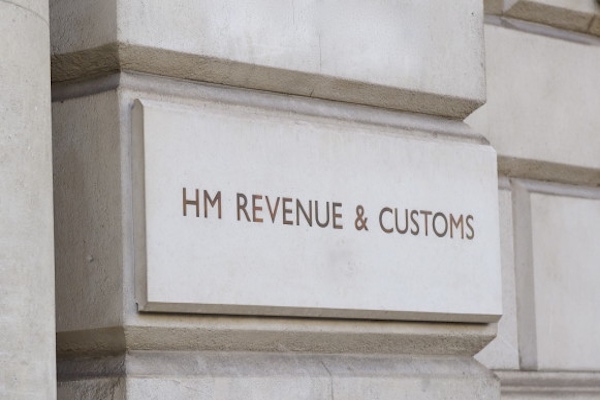
The number of complaints made to HMRC about delays and mistakes surged 66% to 12,670 last year as taxpayers spent more than 550 years between them trying to sort things out with the tax office.
The complaints number climbed from 7,620 the year before, according to analysis by accountants UHY Hacker Young.
It said the rise in the number of incidences where taxpayers suffered from delays and mistakes suggests a sustained decline in HMRC’s customer service.
The firm warned that delays at HMRC were making it increasingly difficult for taxpayers to resolve their tax affairs and it calculated that fed-up people spent a collective 558 years calling the tax authorities last year.
The delays leave many people at risk of filing documents late and incurring tax penalties, the firm warned.
It said HMRC’s poor service level was delaying the processing of tax repayments. The mistakes and delays mean some taxpayers are left out of pocket for extended periods, which is particularly concerning for self-employed individuals who may have overpaid tax due to a sudden drop in income and are relying on timely refunds to support their cashflow.
Neela Chauhan, partner at UHY Hacker Young, said: “When people cannot get through to HMRC on their telephone lines, small problems quickly escalate.”
She warned that not enough is being invested in improving HMRC’s customer service. HMRC has been given the resources by the Government to hire 5,500 new tax investigation staff and 2,400 new officers, to chase tax debt but HMRC has not publicised any plans to significantly increase its number of customer service staff.
Ms Chauhan said: “HMRC is clearly prioritising enforcement over support. While tackling the tax gap is important, it cannot come at the expense of basic customer service. Taxpayers are finding it harder than ever to get help, even as the tax system becomes more complex.”
She said taxpayers need to be more vigilant than ever.
“Getting things right first time is becoming increasingly important, as fixing mistakes later can be both time-consuming and expensive,” she said.
• Figures based on data obtained from HMRC, 2024/2025 tax year.